March 3, 2026
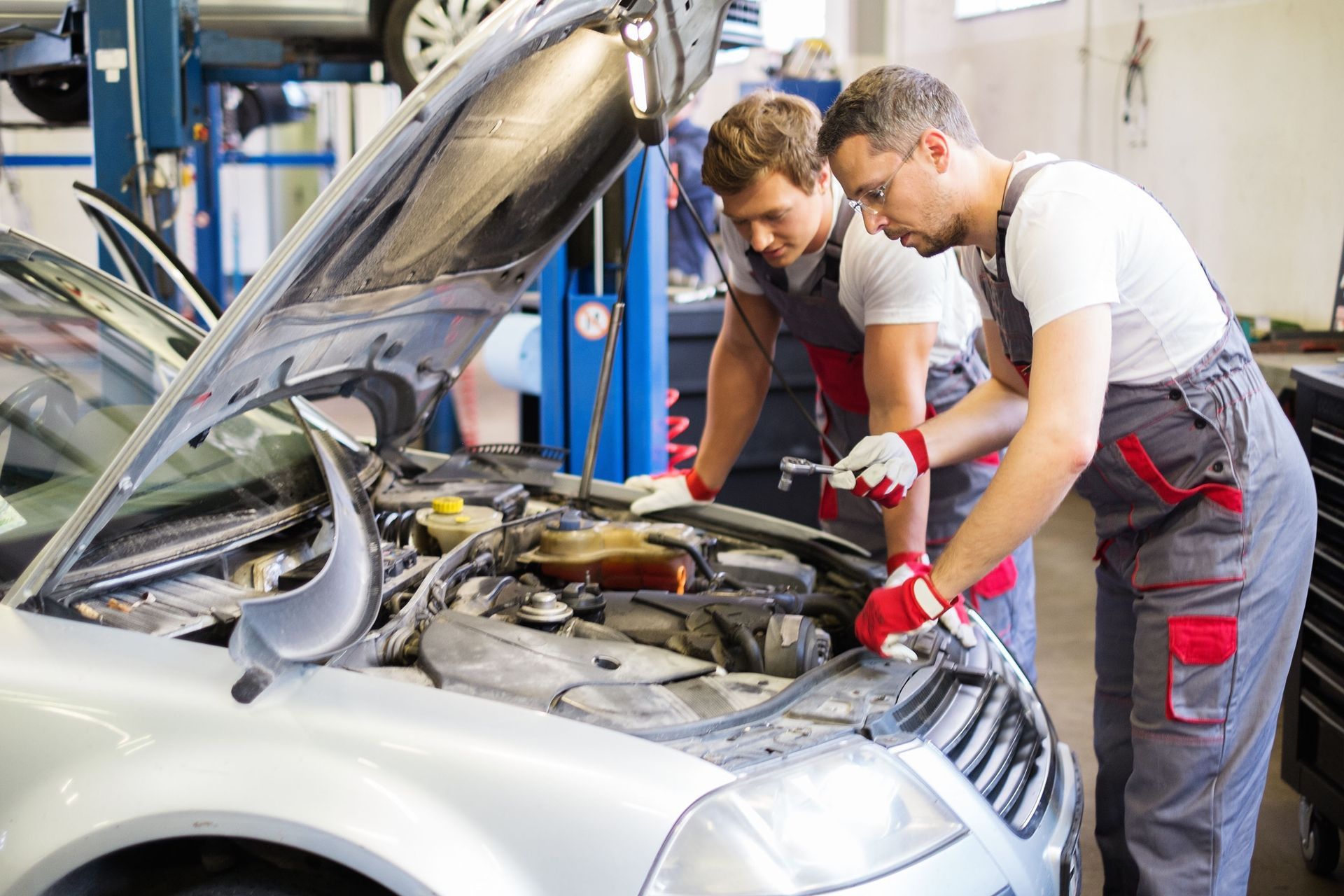
Every vehicle owner will eventually face the need for repairs, regardless of how well they maintain their car or truck. Understanding the most common repair issues and how technicians address them can help you make informed decisions about your vehicle's maintenance and care. Knowledge of these repairs can also help you recognize warning signs before minor problems become major expenses. Whether you drive a brand-new model or a trusted older vehicle, familiarity with common repair procedures empowers you to communicate effectively with mechanics and understand what your vehicle needs. Being an informed car owner means you can budget appropriately and avoid being caught off guard by unexpected repair costs.
Oil Changes and Filter Replacements
Oil changes are the most fundamental and frequent maintenance service your vehicle requires to keep the engine running smoothly. During an oil change, technicians drain the old oil from the engine, replace the oil filter, and refill the engine with fresh oil appropriate for your vehicle's specifications. This process typically takes less than an hour and should be performed every three to six months, depending on your driving habits and oil type. Regular oil changes prevent engine wear, remove contaminants, and ensure proper lubrication of moving parts, making this simple service one of the most important investments in your vehicle's longevity.
Brake System Repairs and Replacements
Brake repairs are among the most critical auto repair services because they directly affect your safety on the road. Technicians inspect brake pads, rotors, calipers, and brake fluid to determine which components need attention. When brake pads wear down, they must be replaced to prevent metal-on-metal contact that damages rotors and compromises stopping power. The repair process involves lifting the vehicle, removing the wheels, replacing worn pads, resurfacing or replacing rotors if necessary, and testing the entire brake system to ensure proper function before returning the vehicle to you.
Battery Testing and Replacement
A dead or failing battery is one of the most common reasons vehicles won't start, especially during extreme weather conditions. Mechanics test battery voltage, check for corrosion on terminals, and assess the charging system to determine if the battery needs replacement or if other electrical issues exist. Replacing a battery involves disconnecting the old battery, cleaning the terminal connections, installing a new battery with the correct specifications, and ensuring all electrical systems function properly. Modern vehicles rely heavily on electrical systems, making battery health essential for everything from starting the engine to powering complex computer systems throughout the vehicle, which is why professional auto repair services include thorough electrical system testing with every battery replacement.
Electrical System Diagnostics and Repairs
According to Endurance Warranty, electrical system issues have surfaced as the number one repair trend in 2025, followed closely by cooling system failures, which are the quickest route to catastrophic engine damage. Electrical problems can manifest as flickering lights, malfunctioning accessories, starting issues, or dashboard warning lights that indicate sensor failures. Technicians use specialized diagnostic equipment to identify faulty wiring, failed sensors, alternator problems, or computer module issues that affect vehicle performance. Repairing electrical problems requires tracing circuits, testing components, replacing damaged wiring or failed parts, and reprogramming vehicle computers when necessary to restore full functionality through expert auto repair services.
Cooling System Service and Repairs
The cooling system prevents your engine from overheating and suffering catastrophic damage that could require complete engine replacement. Professional auto repair services for cooling systems include inspecting hoses, checking coolant levels, testing the radiator, examining the water pump, and assessing the thermostat function. When repairs are needed, technicians may replace cracked hoses, fix radiator leaks, install a new water pump, or flush the entire system to remove contaminants and old coolant. Regular cooling system maintenance is far less expensive than repairing an overheated engine, making preventive service essential for protecting one of your vehicle's most expensive components.
Tire Rotations and Replacements
Tires are your vehicle's only contact with the road, making their condition critical for safety, handling, and fuel efficiency. Tire rotation involves moving tires from one position to another to ensure even wear patterns and extend tire life. When tires become worn beyond safe limits, technicians remove old tires, mount new ones on the wheels, balance them to prevent vibrations, and perform wheel alignment to ensure proper tracking. Proper tire maintenance improves gas mileage, enhances vehicle handling, and most importantly, ensures adequate traction in various weather conditions to keep you and your passengers safe.
Air Conditioning System Repairs
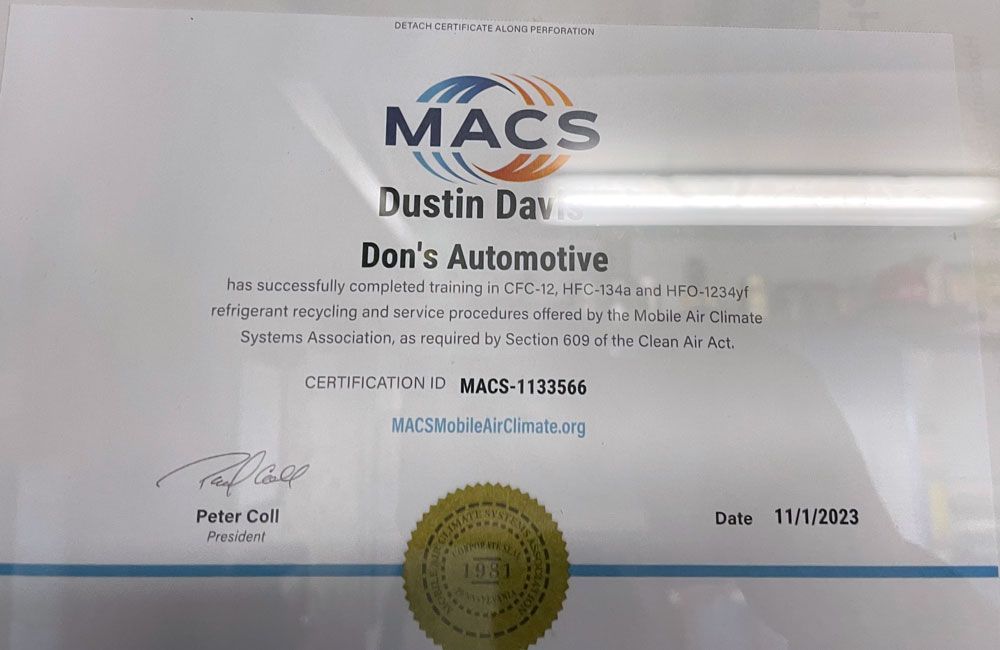
A malfunctioning air conditioning system can make summer driving unbearable and may indicate problems with refrigerant levels, compressor function, or system leaks. Technicians diagnose air conditioning issues by checking refrigerant pressure, inspecting hoses and connections for leaks, testing the compressor and condenser, and examining electrical components. Repairs might involve recharging the refrigerant, replacing the compressor, fixing leaks with new seals or hoses, or cleaning the condenser to restore cooling efficiency. Modern air conditioning systems are complex and require specialized equipment and expertise to service properly, making professional auto repair services essential for keeping your cabin comfortable.
Suspension and Steering Component Replacement
Suspension systems absorb road impacts and keep your tires in contact with the pavement, while steering systems allow you to control your vehicle's direction safely. Common suspension repairs include replacing worn shocks or struts, installing new ball joints, fixing tie rod ends, and replacing control arm bushings. The repair process involves lifting the vehicle, removing old components, pressing in new parts, and performing wheel alignment to ensure the vehicle tracks straight and handles properly. A well-maintained suspension system provides a comfortable ride, prevents uneven tire wear, and ensures your vehicle responds predictably to steering inputs.
Transmission Service and Repairs
Transmission problems can range from simple fluid changes to complete transmission replacement, depending on the severity of the issue and maintenance history. During transmission service, technicians check fluid levels and condition, inspect for leaks, and may perform a fluid flush to remove contaminants and old fluid. More serious repairs might involve replacing solenoids and fixing internal seals. In severe cases, rebuilding or replacing the entire transmission assembly. Regular transmission maintenance through professional auto repair services can prevent expensive failures and keep your vehicle shifting smoothly for many years.
Engine Diagnostics and Tune-Ups
Modern engines rely on complex computer systems that monitor hundreds of parameters and adjust performance accordingly for optimal efficiency. When the check engine light illuminates or performance issues develop, technicians connect diagnostic scanners to read trouble codes and identify the source of the problems. A comprehensive tune-up might include replacing spark plugs, checking ignition coils, cleaning fuel injectors, replacing air filters, and adjusting various engine systems. These services from qualified auto repair services restore engine performance, improve fuel economy, reduce emissions, and prevent minor issues from developing into major problems that require expensive repairs.
Understanding common vehicle repairs helps you become a more informed and proactive car owner who can maintain their vehicle properly and address issues before they become serious problems. From routine maintenance like oil changes to more complex repairs involving electrical systems, transmissions, or cooling components, each service plays a vital role in keeping your vehicle safe and reliable. Whether you need Belts and Hoses, Brake Service, Engine Replacement, Oil Change, Air Conditioning Service, Suspension Service, Wheel Alignment, Transmission Replacement, State Inspection, Diagnostic, Tune-Up, Exhaust, or Auto Repair, working with experienced professionals ensures the job is done the first time correctly. At Don's Automotive, our skilled technicians have the expertise and equipment to handle all your vehicle's repair and maintenance needs with precision and care. For more information, contact us today!